Ubuntu Core, a minimal version of Ubuntu, is a modern, safe, and reliable IoT operating system designed for IoT devices deployed production environment. It provides over-the-air, transactional software updates through a cloud-based CI/CD (Continuous Integration, Continuous Deployment) service which ensures that operations remain safe and uninterrupted.
The Snap application format, on which Ubuntu Core is built, adopts the read-only file system SquashFS and imposes strict restrictions on permissions to increase the security and stability of the operating system and applications.


Auto updates via simple commands or recovery function in a bulk manner
No worries about compatibility
Optimized stock settings
Enjoy the latest OS update without development issues con concerns.

Fanless compact system
Key Feature
w600.png)
The world's first 1.8" SBC with AMD Ryzen™
Key Feature
_500x300-1.png)
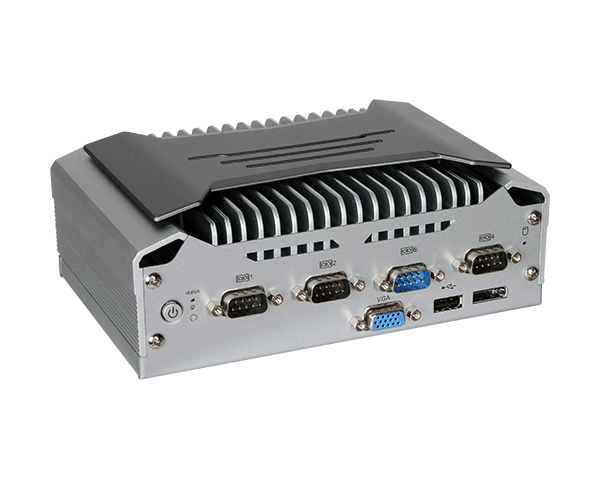
The fanless embedded system based on GHF51
Key Feature


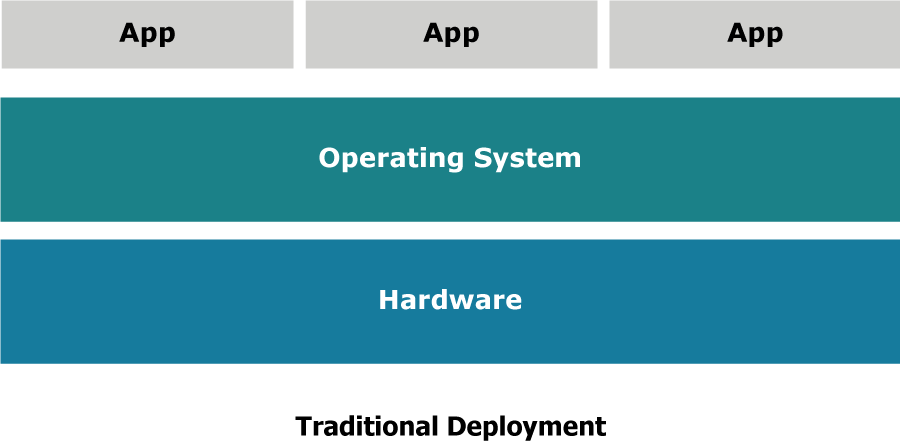
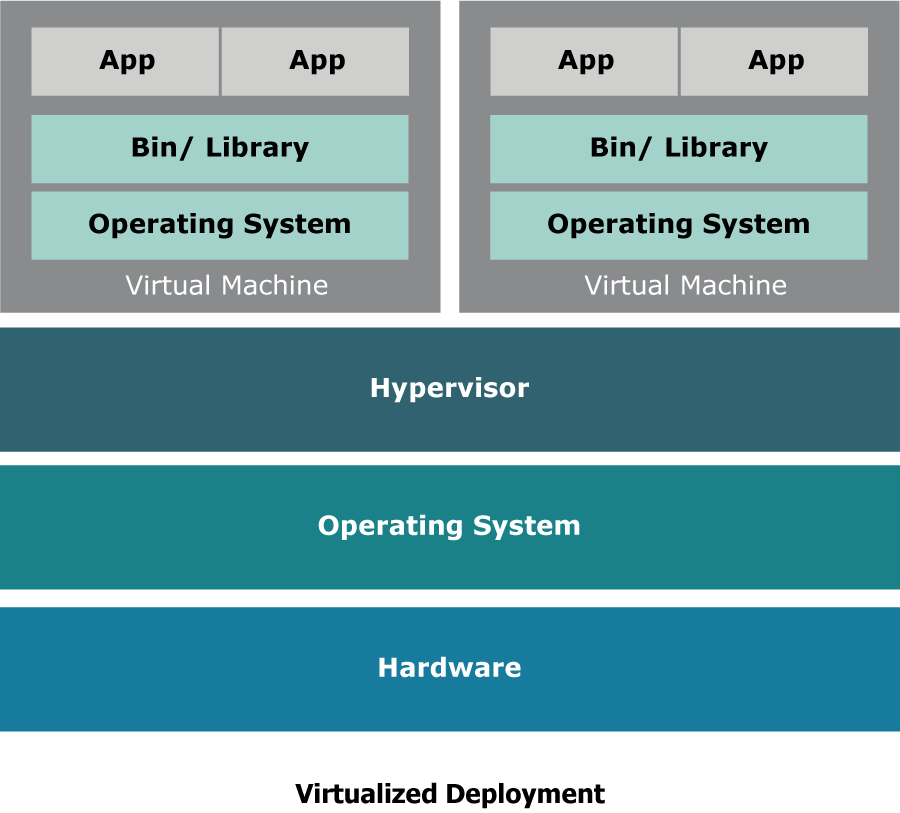
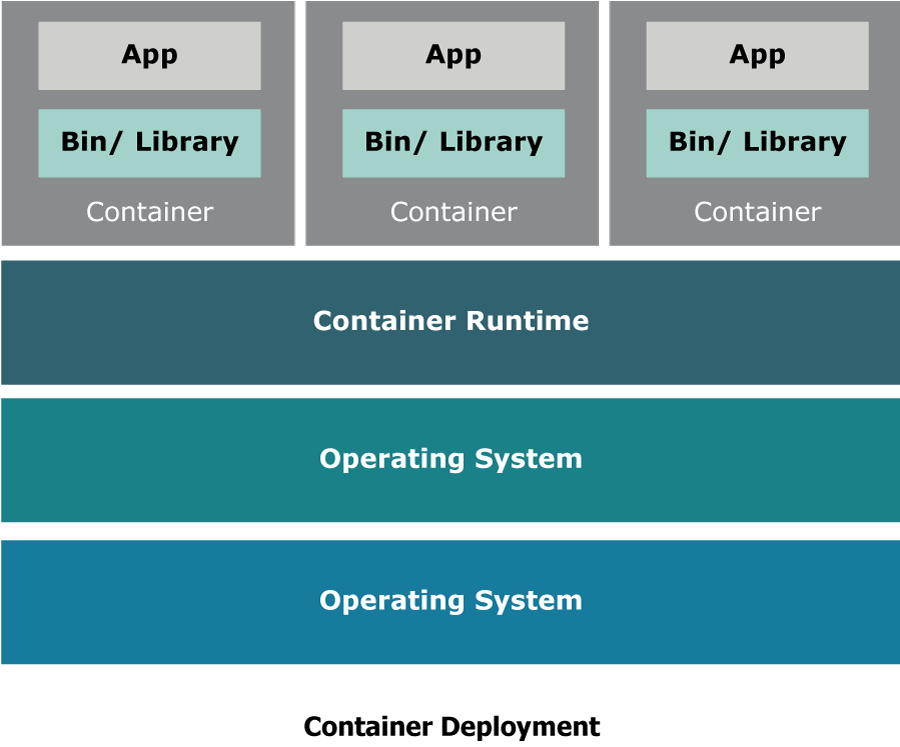
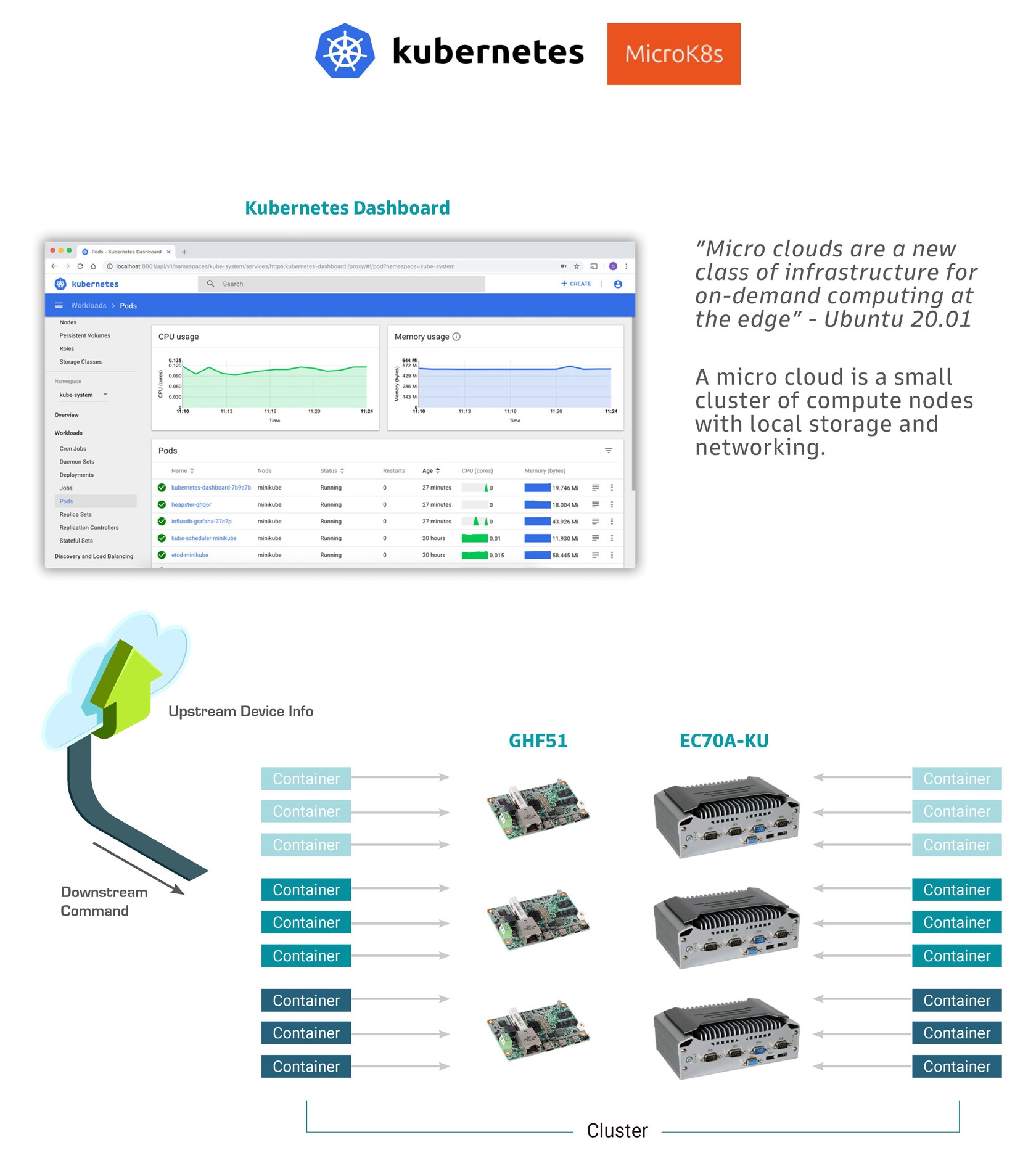
Modern cloud data centers generally adopt "container" technology to achieve lighter and more agile application lifecycle management, and also enjoy the isolation of virtual machines and the flexibility of rapid deployment services. The latest trend is to transfer container technology to the IoT edge computing nodes from the micro-edge cloud, which offload the job in the cloud and distributes them to the edge.
This allows IoT devices to synchronize with the cloud and have less communication time. When it is offline for a long time, it can reliably and continuously operate independently and carry out automatic high availability and load balancing. This is also an emerging application that made Canonical, as the primary publisher of Kubernetes and the most well-known container cluster management and scheduling platform, wants to promote.

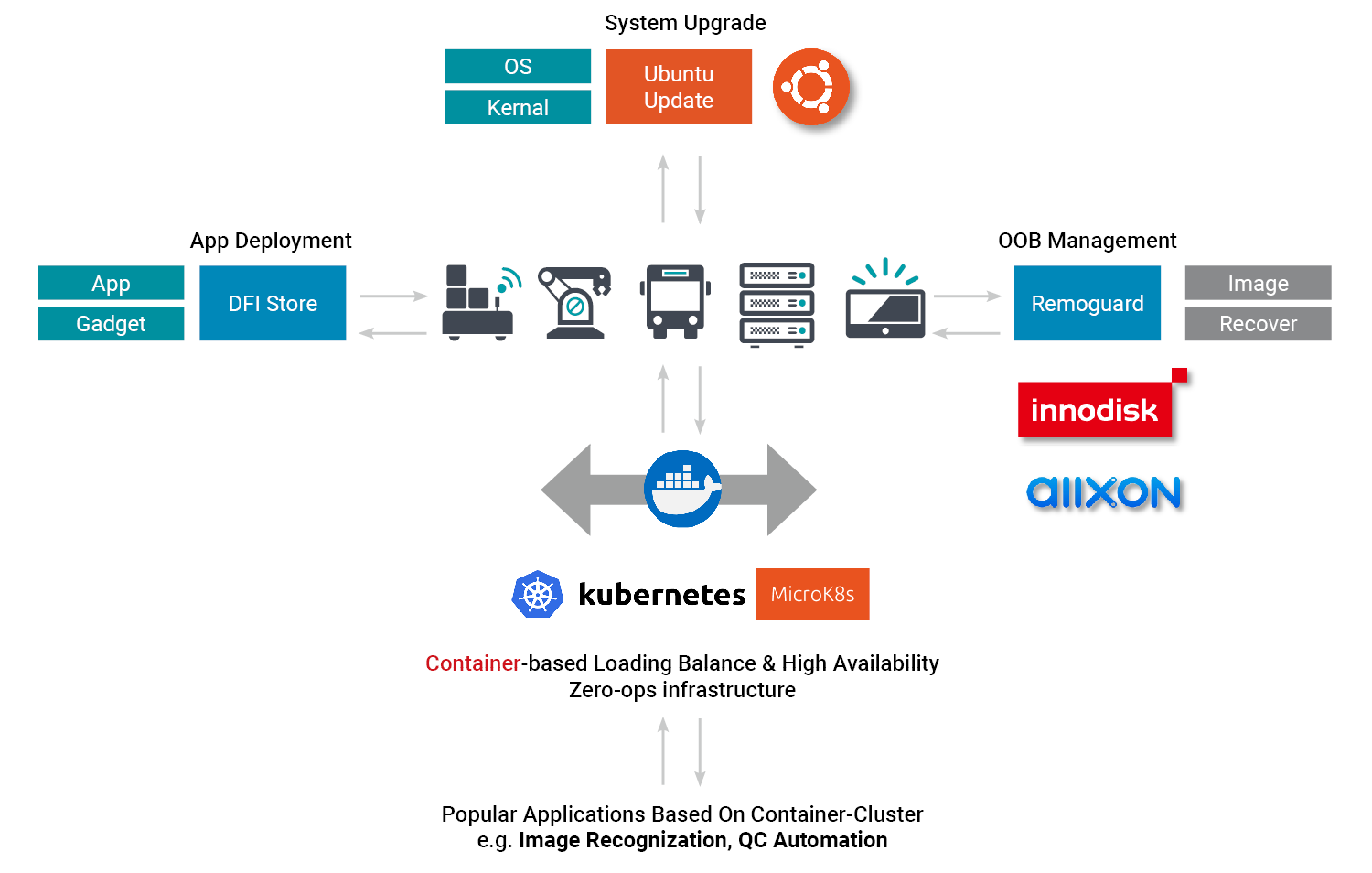
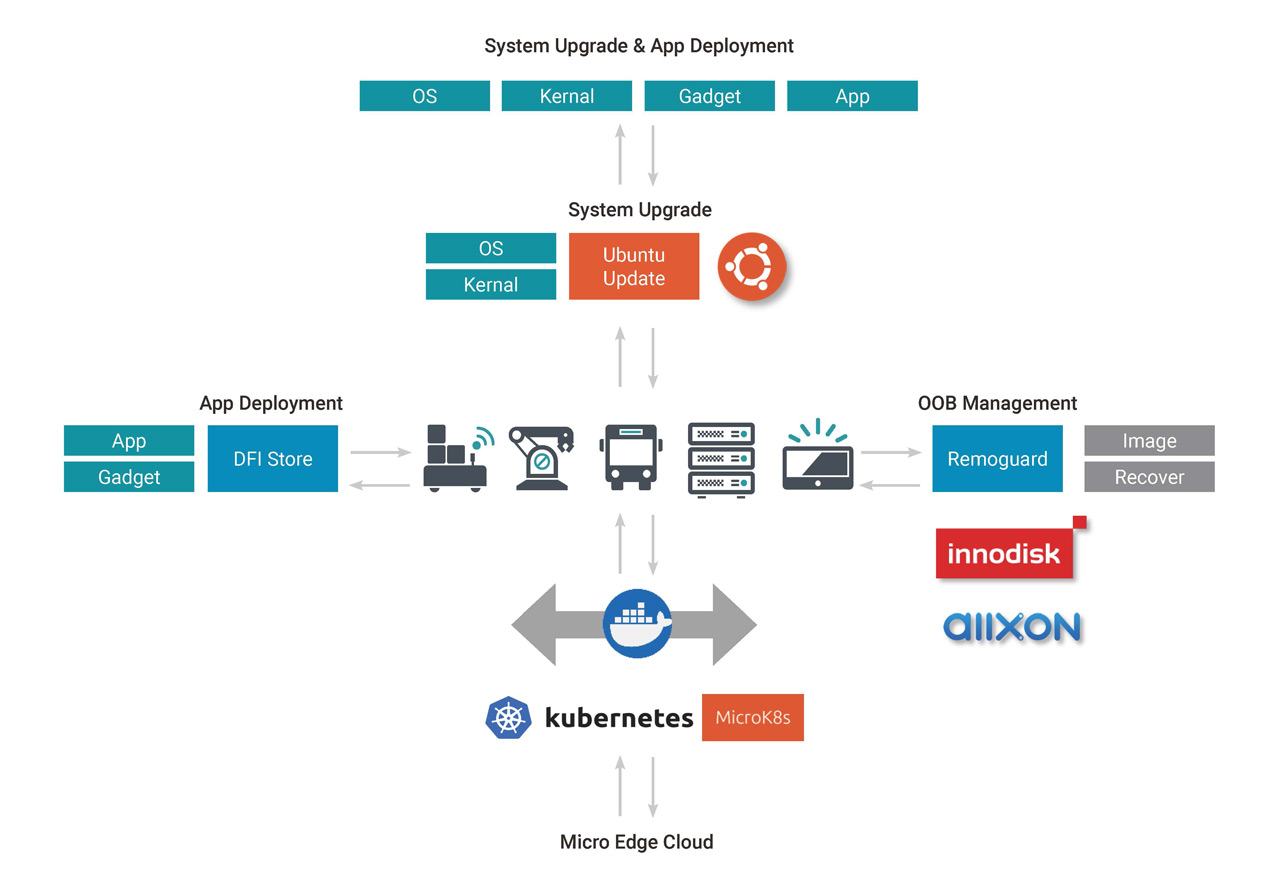
DFI and Canonical worked hand in hand to showcase the first wave of products (EC70A-KU, GHF51) that passed the IoT hardware certification partner program at the event. And was able to build a POC that includes micro-edge cloud through Kubernetes and online system updating for the certificated hardware, and able to thoroughly explain the trend of micro-edge cloud and the future of risk-free system update.

DFI's RemoGuard further uses out-of-band (OOB) management technology to provide real-time monitoring and partition-level system recovery when the operating system is damaged or cannot be booted normally.
In addition to Ubuntu's online software updates, RemoGuard can avoid service interruptions, reduce maintenance personnel costs and response time, and establish a seamless operation and risk-free system update to the IoT ecosystem. RemoGuard can now corresponds to two public cloud architectures and will also incorporate more diversified cloud support in the future.

With the lightweight Ubuntu Core operating system designed specifically for IoT devices and the exclusive Snap container technology, it can ensure that the device remains reliable through continuous updates, able to combine with cloud-based CI/CD (Continuous Integration, Continuous Deployment) and integrated development and other features.
Therefore, able to safely and reliability meet the needs of the future and easily create a high-efficiency IoT infrastructure.
"The online update of Ubuntuwill enhance the application flexibility of DFI products and reduce time to introduce new services, along with DFI's RemoGuard out-of-band management to establish a seamless IoT ecosystem.
DFI and Canonical demonstrate a proof-of-concept that includes micro-edge cloud s and online system updating, to thoroughly explain the trend of micro-edge cloud and the future of risk-free system update."